
In modern logistics and warehouse management, storage management, as an important link in warehouse operation, directly affects the operation efficiency, inventory accuracy, and order fulfillment speed of the warehouse. With the continuous improvement of enterprises' requirements for supply chain efficiency, how to scientifically and efficiently optimize storage management has become an important issue that enterprises urgently need to solve.
Firstly, defining storage classification is the foundation for optimizing storage management. Based on factors such as the properties, turnover rate, volume, and weight of goods, the warehouse should be reasonably divided into regions. For example, goods with high frequency of outgoing should be placed in the 'gold storage locations' near the outgoing port or operation area to reduce picking paths and time; while goods with large volume and weight should be arranged in locations near the ground and convenient for forklift operation to improve operational safety and efficiency.
Firstly, introducing an information management system is the key to optimizing storage management. Through WMS (Warehouse Management System) and other intelligent warehouse management software, dynamic management and real-time monitoring of storage can be achieved. The system can intelligently allocate storage locations based on historical data and inventory trends, automatically recommend the optimal storage location, and support path optimization for picking, significantly improving operational efficiency. In addition, the application of barcodes or RFID technology can also enhance inventory accuracy and traceability.
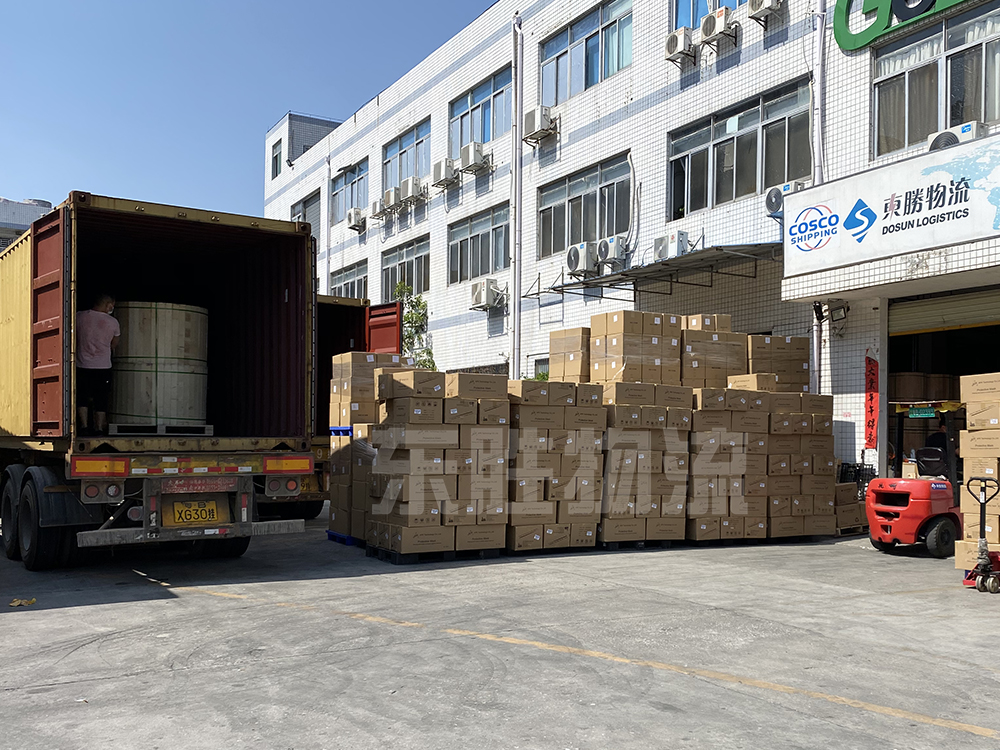 gain, regular evaluation and adjustment of storage layout should not be overlooked. Market environment and order structure are constantly changing, and storage layout should also be dynamically adjusted accordingly. Enterprises should regularly analyze inventory turnover data, picking paths, and operational efficiency to evaluate whether the existing storage layout is reasonable, and make timely optimization adjustments to meet new business needs.
 Finally, strengthening personnel training and standardized operation procedures is also an important guarantee for optimizing storage management. Warehouse operators should be familiar with storage rules and system operation procedures to reduce human errors; at the same time, establishing standardized processes for incoming, shelving, picking, inventory, and other operations ensures the standardization and consistency of storage management.
In summary, the optimization of storage management not only depends on scientific planning and technical support, but also requires continuous data analysis and process optimization. Only by integrating system management, dynamic adjustment, and manual operation can the efficient utilization of storage space truly be realized, enhancing the overall logistics operation efficiency, and creating greater value for the enterprise.
Prev:How to optimize road network design
Next:How to optimize urban distribution

