
The recycling process of reverse logistics mainly includes the following steps:
 . Identification and Classification
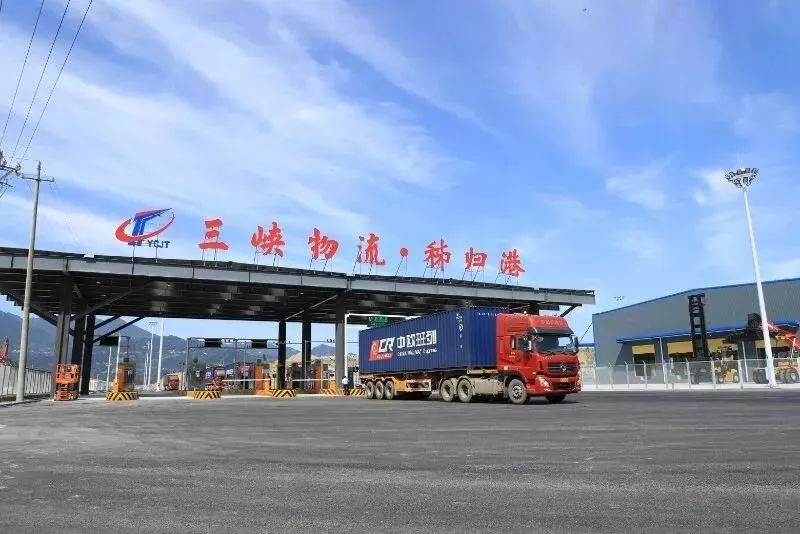
When products are returned or reach the end of their life cycle, enterprises first need to identify and classify them. For example, returned goods may be due to quality issues, customer dissatisfaction, or packaging damage, and need to be classified according to their status into categories such as resalable, requiring repair, or for disposal. This step helps to efficiently carry out subsequent processing processes.
2. Recycling and Transportation
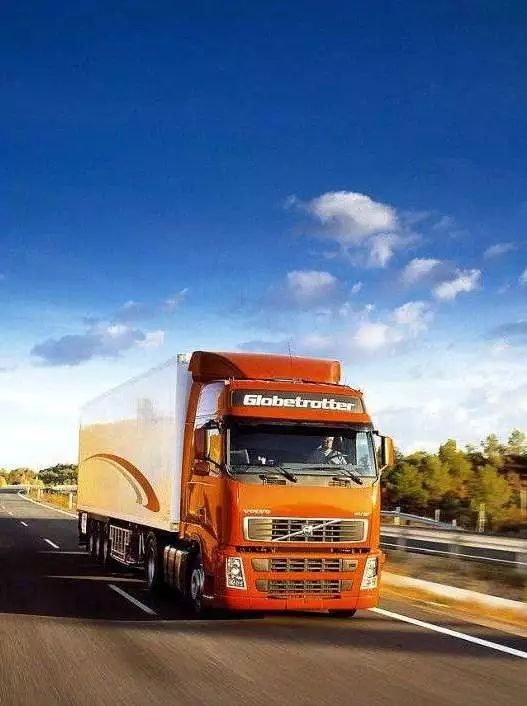
 fter classification, products will be collected centrally and transported to the processing center through special transportation channels. This link needs to consider the balance between transportation costs and environmental benefits, reasonably plan transportation routes and methods, and reduce carbon emissions.
 3. Inspection and Evaluation
After arriving at the processing center, products will undergo further inspections to determine their remaining value and the extent of their recyclability. For electronic products, machinery and equipment, functional tests and safety assessments are also required to determine whether they are suitable for refurbishment, component recycling, or material reuse.
4. Reprocessing and Reuse
Based on the evaluation results, products may enter stages such as remanufacturing, repair, component disassembly, or raw material recycling. For example, the metals and plastics in discarded mobile phones can be extracted for the production of new products, while still functional equipment can be cleaned and inspected for resale after reuse.
5. Data Tracking and Feedback Optimization
Real-time tracking and analysis of data is crucial throughout the recycling process. By recording the processing status of each link through information systems, enterprises can continuously optimize the reverse logistics system, improve resource utilization efficiency, and meet regulatory requirements at the same time.
In summary, reverse logistics is not only an important way for enterprises to fulfill their social responsibilities and achieve sustainable development, but also an effective means to enhance customer satisfaction and reduce operating costs. With the advancement of technology and the popularization of green concepts, building an efficient and intelligent reverse logistics system will become an important trend in future supply chain management.
Prev:In modern industrial automation systems, hydraulic control technology plays a crucial role, and the
Next:Logistics of the electro-hydraulic servo valve for jet pipes

