
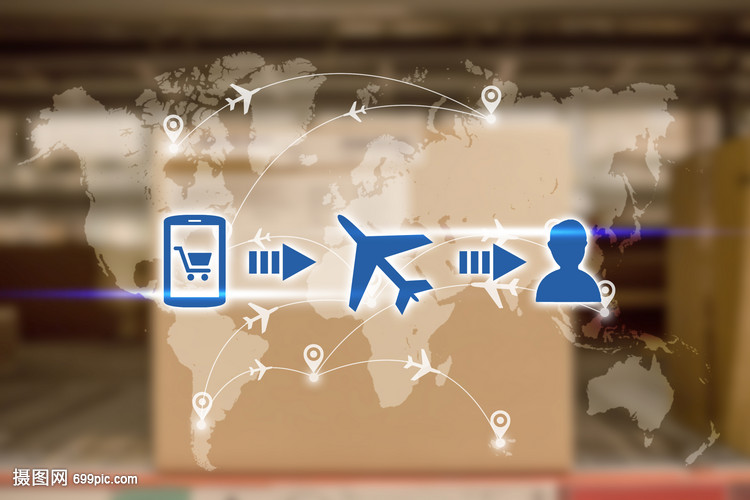
Sync order information: after the consumer completes the order on the e-commerce platform, the system will automatically synchronize the order information (such as the recipient's name, address, phone number, product information, etc.) to the merchant's ERP system or a third-party warehousing and logistics system.
 elect the courier company: merchants choose the cooperative courier company based on customer needs or their own strategies. Different courier companies have different electronic shipping label templates and system interfaces, which need to be pre-bound in the system.
 Generate the tracking number and print: after receiving the shipping instruction, the system will request the generation of an electronic shipping label from the server of the courier company. After the courier company's server verifies the information without any errors, it returns the tracking number and generates an electronic shipping label file with a QR code and barcode. Merchants can quickly print the finished shipping label through a thermal printer.
The advantages of electronic shipping labels are evident. Firstly, they greatly improve the efficiency of shipping, especially during e-commerce big promotions such as
In summary, the generation of electronic shipping labels is a highly automated and信息化 process, reflecting the trend of deep integration between modern logistics and e-commerce systems. With the continuous advancement of technology, the future of electronic shipping labels will further optimize, bringing more efficient and convenient service experiences to merchants and consumers.
Prev:Electro-hydraulic servo valve transportation packaging
Next:How do electronic scales weigh?

