
In the modern logistics system, the central warehouse (Central Warehouse) as the core node of the supply chain plays a crucial role. Its 'radiation' capability, that is, the ability to efficiently allocate resources, cover regional networks, and improve overall supply chain efficiency, is the key to enterprises achieving rapid market response, reducing costs, and enhancing competitiveness. This article will discuss how central warehouses can achieve effective radiation from the aspects of layout optimization, technological empowerment, and collaborative management.
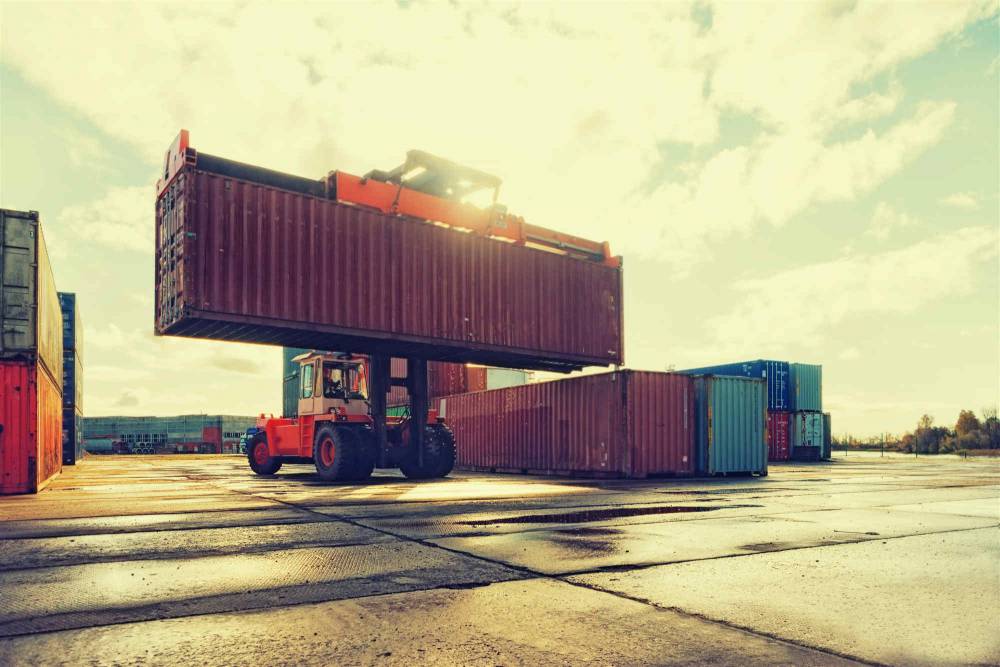 irstly, scientific layout is the foundation of the central warehouse's radiation. When constructing a central warehouse, enterprises need to consider factors such as geographical location, transportation conditions, and market demand distribution, and choose a strategic hub city as the warehousing center. For example, a national e-commerce platform would choose to establish a central warehouse in cities such as Wuhan and Zhengzhou in the central region to facilitate rapid distribution to surrounding provinces. By establishing a three-level logistics network structure of 'central warehouse + regional distribution center + forward warehouse', the central warehouse can achieve effective coverage and efficient distribution throughout the country.
Secondly, information technology and intelligent technology are the key driving forces for improving radiation efficiency. Modern central warehouses widely adopt tools such as WMS (Warehouse Management System), TMS (Transportation Management System), and big data analysis to achieve functions such as inventory visualization, automatic order allocation, and path optimization. These technological means enable the central warehouse to master inventory status in real-time, respond quickly to order requirements, and distribute goods efficiently to various regional nodes through intelligent dispatching. In addition, the application of automated warehousing equipment (such as AGV robots, automatic sorting systems) has greatly improved processing capacity and response speed, providing a solid guarantee for radiation capability.
Furthermore, an efficient collaborative management mechanism can amplify the radiation effect of the central warehouse. An excellent central warehouse not only needs to have strong self-operating capabilities but also needs to form a good collaborative mechanism with regional distribution centers, third-party logistics, suppliers, and others. For example, through VMI (Vendor Managed Inventory), JIT (Just-In-Time Delivery) and other models, the central warehouse can integrate upstream and downstream resources, achieve inventory sharing and collaborative replenishment, thereby reducing redundant inventory and improving overall logistics efficiency.
 Finally, the construction of a flexible distribution network is the guarantee for the implementation of the central warehouse's radiation. Enterprises need to build a three-dimensional distribution network with the central warehouse as the core and multimodal transportation as the support, covering various transportation modes such as land, air, and rail, to ensure efficient delivery in different scenarios. Especially in response to emergency demands or seasonal peaks, this flexible distribution system can effectively support the central warehouse in completing large-scale, cross-regional material allocation tasks.
In summary, the radiation capability of the central warehouse is not only reflected in its physical warehousing function, but also in the high-efficiency logistics network constructed through scientific layout, technological innovation, collaborative management, and distribution optimization. In today's increasingly fierce digital economy and supply chain competition, building a central warehouse system with strong radiation capability has become an indispensable strategic measure for corporate development.
Prev:How do traffic signals control?
Next:How does blockchain trace?

