
With the acceleration of urbanization and the continuous growth of transportation demand, traditional traffic management methods are difficult to meet the requirements of modern cities for efficient, safe, and green development. Against this backdrop, intelligent transportation systems (Intelligent Transportation Systems, ITS) have emerged, becoming an important means to solve traffic congestion and improve transportation efficiency. Among them, intelligent dispatching, as a core component of intelligent transportation systems, plays a crucial role.
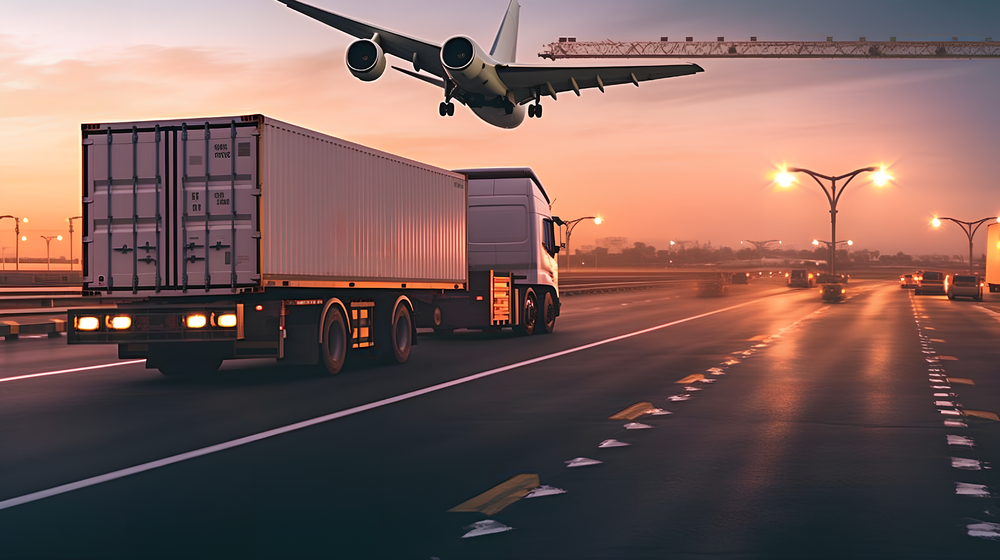 ntelligent transportation dispatching mainly relies on advanced technologies such as big data, artificial intelligence, the Internet of Things, and cloud computing. By collecting and analyzing real-time traffic flow, vehicle status, road environment, and other information, it realizes the dynamic optimization and allocation of transportation resources. Compared with traditional manual dispatching, intelligent dispatching has the advantages of fast response speed, strong scientific decision-making, and more reasonable resource allocation.
Firstly, intelligent dispatching can achieve adaptive control of traffic signals. By monitoring the real-time traffic flow at intersections, the system can dynamically adjust the duration of red and green lights, reduce unnecessary waiting time, and improve traffic efficiency. For example, during peak hours, the system can prioritize the traffic capacity of main roads; while during off-peak hours, the frequency of signal light changes can be reduced to lower energy consumption.
Secondly, in the field of public transportation, such as bus and subway systems, intelligent dispatching can flexibly adjust departure frequency and service routes based on passenger flow predictions and real-time data analysis. This not only improves service quality but also effectively relieves congestion during peak hours, enhancing the comfort and satisfaction of citizens' travel.
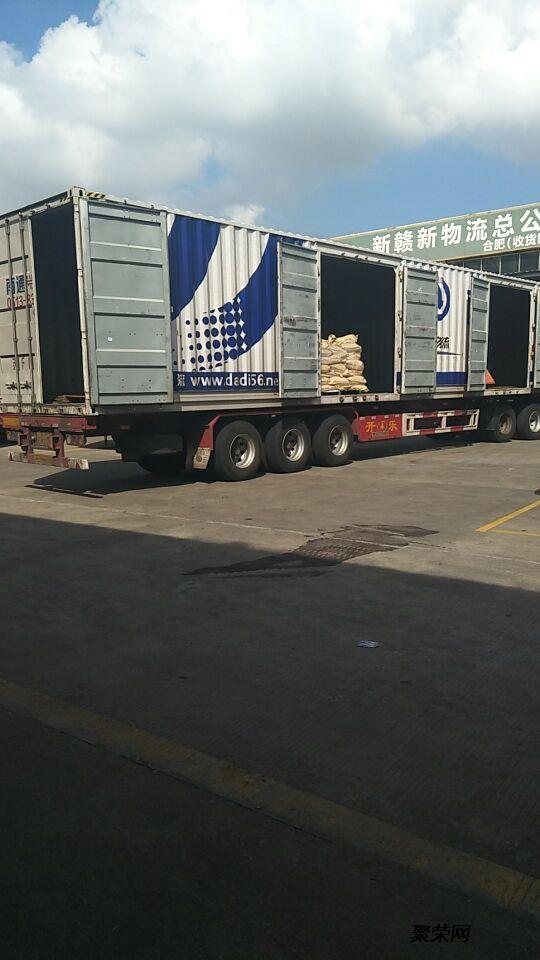 n addition, in the field of logistics transportation, intelligent dispatching systems can optimize delivery routes, reduce empty load rates and transportation time. For example, through the analysis of road conditions, weather factors, and other factors by path planning algorithms, the system can provide the optimal driving route for trucks, thus reducing transportation costs, improving logistics efficiency, and reducing carbon emissions.
Of course, the realization of intelligent transportation dispatching also faces some challenges, such as data security, system compatibility, and infrastructure construction. Therefore, governments, enterprises, and research institutions need to collaborate to promote the unification of technical standards and the improvement of infrastructure.
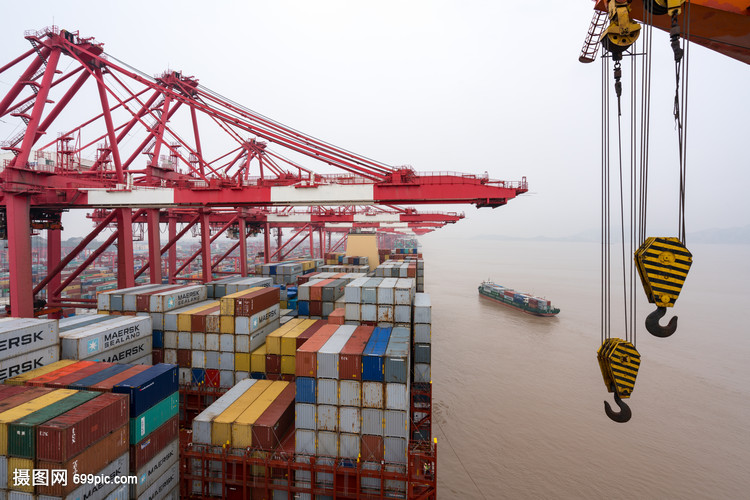 In summary, intelligent transportation dispatching is not only an inevitable trend in the development of modern transportation, but also the key to achieving sustainable urban transportation management. With the continuous progress and improvement of technology, the future intelligent dispatching will be more accurate and efficient, providing people with more convenient and green travel experiences.
Prev:How does intelligent scheduling make decisions?
Next:How does machine learning analyze?

