
With the development of intelligent transportation systems, road vehicle collaboration (Vehicle-to-Everything, V2X) technology is becoming an important part of future intelligent transportation. Road vehicle collaboration improves traffic efficiency, safety, and the level of autonomous driving through information interaction between vehicles and road infrastructure, other vehicles, pedestrians, and cloud systems. So, how is road vehicle collaboration actually realized?
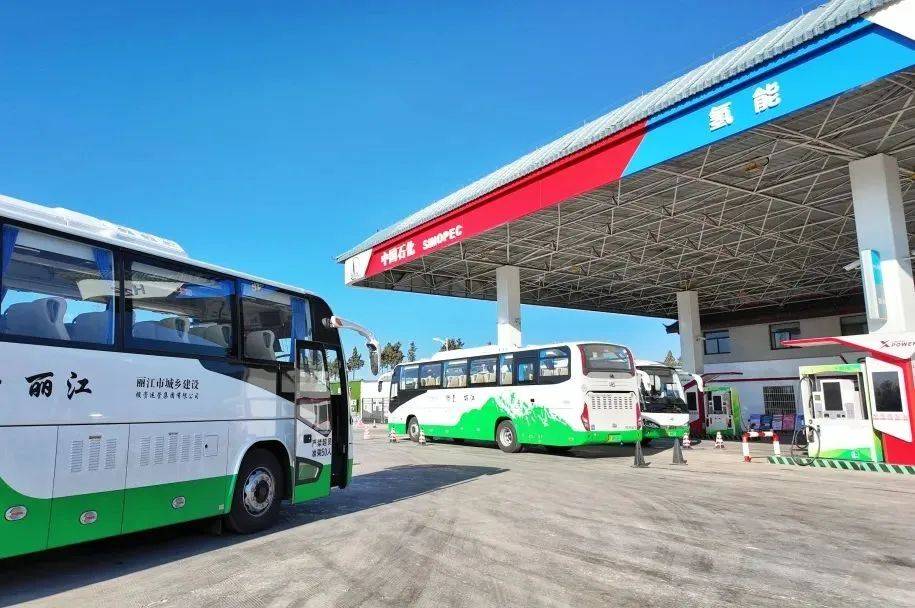 irstly, the realization of road vehicle collaboration depends on advanced communication technology. The mainstream communication technologies currently include C-V2X (based on cellular network V2X) and DSRC (dedicated short-range communication). C-V2X technology utilizes 4G/5G mobile networks to support efficient communication between vehicles and road facilities (V2I), vehicles and vehicles (V2V), vehicles and pedestrians (V2P), and vehicles and networks (V2N). This communication method has the characteristics of low latency and high reliability, which is the foundation for achieving road vehicle collaboration.
Secondly, the intelligent upgrade of road infrastructure is crucial. To achieve road vehicle collaboration, facilities such as traffic lights, cameras, radar, and roadside units (RSU) need to have data collection and transmission capabilities. For example, intelligent traffic lights can adjust signal times in real-time based on traffic flow, while roadside units can transmit traffic conditions and emergency information in real-time to vehicles.
 hirdly, vehicles themselves also need to have certain intelligent perception and communication capabilities. Modern intelligent vehicles are usually equipped with a variety of sensors such as cameras, millimeter-wave radar, and laser radar, which can perceive the surrounding environment in real-time. At the same time, the onboard communication module (OBU) enables vehicles to exchange information with roadside equipment and other vehicles, such as speed, position, and driving direction, thus achieving more accurate decision-making and control.
In addition, road vehicle collaboration also requires strong support from data processing and cloud computing platforms. Through edge computing and cloud platforms, massive traffic data can be processed and analyzed in real-time, providing a basis for traffic management, route planning, and autonomous driving. For example, in the event of a traffic accident, the system can quickly notify surrounding vehicles and adjust routes, effectively avoiding congestion and secondary accidents.
 Finally, policy support and standard unification are also key factors in the promotion of road vehicle collaboration. Governments of various countries need to formulate unified technical standards and communication protocols, and promote the improvement of relevant laws and regulations to ensure data security, privacy protection, and clear responsibilities of all parties.
In summary, road vehicle collaboration is a systematic project involving communication technology, hardware equipment, data processing, and policy regulations. Through the collaborative efforts of multiple parties, road vehicle collaboration will greatly promote the intelligent transformation of the transportation system, laying a solid foundation for future intelligent travel.
Prev:How is intelligent warehousing realized?
Next:How to accurately carry out inventory counting

