
With the rapid development of e-commerce and supply chain management, warehousing and logistics systems are facing unprecedented challenges and opportunities. Against this backdrop, the establishment and collaborative operation of regional warehouses are particularly important. So-called "regional warehouses" refer to warehouse nodes established according to geographical distribution, which undertake certain regional storage and distribution tasks for goods. Achieving efficient collaboration among regional warehouses can not only improve the response speed and operational efficiency of the overall supply chain, but also effectively reduce logistics costs.
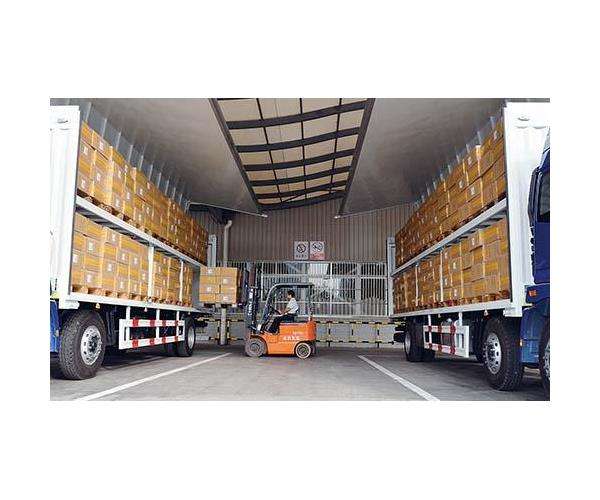 irstly, the foundation of regional warehouse collaboration lies in information sharing. By establishing a unified warehousing management system (WMS) and supply chain management platform (SCM), regional warehouses can achieve real-time synchronization of inventory data, order status, and logistics dynamics. This not only helps the headquarters to dispatch and optimize global resources, but also facilitates flexible allocation and replenishment operations among warehouses, avoiding local shortages or overstocking.
Secondly, a reasonable inventory allocation and allocation mechanism is the core of regional warehouse collaboration. By analyzing historical sales data and market demand forecasting, enterprises can scientifically allocate inventory among regional warehouses, ensuring that high-turnover goods are stored nearby, thus shortening the delivery cycle. When a sudden increase in demand occurs in a certain region, the system can quickly dispatch nearby warehouses for replenishment support, realizing dynamic allocation of resources.
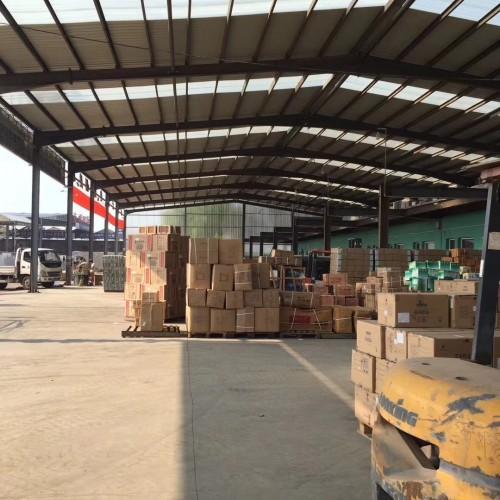 Moreover, standardized operational processes and management systems are an important guarantee for regional warehouse collaboration. Different warehouses should maintain consistency in operational processes, packaging standards, picking methods, etc., to facilitate unified management and system integration. At the same time, unified standards should also be established in personnel training, equipment maintenance, safety regulations, etc., to improve overall operational efficiency and service quality.
Finally, with the help of big data and artificial intelligence technology, enterprises can further enhance the intelligence level of regional warehouse collaboration. For example, through AI algorithms to optimize route planning, automatic order allocation, inventory forecasting and other links, the transformation from "manual dispatching" to "intelligent decision-making" is realized, thus greatly improving the degree of automation and intelligence of warehousing and logistics.
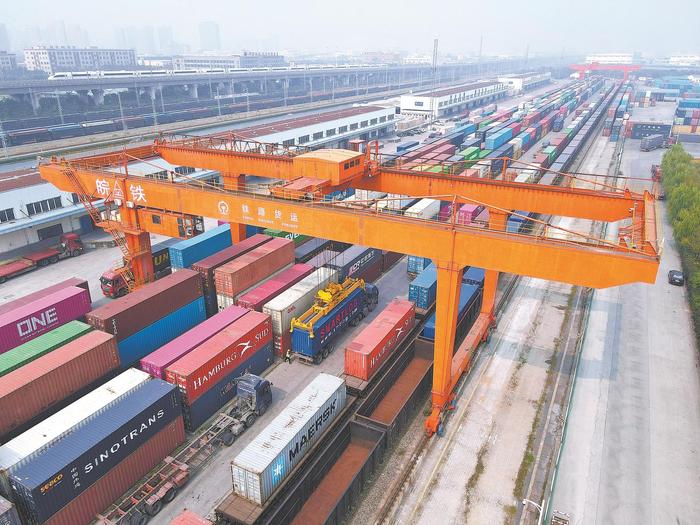 In summary, the collaborative operation of regional warehouses is not only the key to improving logistics efficiency, but also an important support for building a modern supply chain system. Through information sharing, inventory optimization, process standardization, and technological empowerment, enterprises can achieve efficient linkage among regional warehouses, thus occupying the initiative in the fierce market competition. In the future, with the continuous advancement of technology and the continuous optimization of management models, the collaborative operation of regional warehouses will show a broader prospect for development.
Prev:How to clear customs for cross-border transportation
Next:How to collect data from barcodes

