
Firstly, the interconnection of infrastructure is the foundation for the connection of multimodal transportation. The physical connection between different transportation modes must be smooth, such as the docking between ports and railway freight stations, and the coordination between railway stations and airports. Only by constructing unified standard transfer facilities, such as container transshipment stations and multimodal transportation transfer centers, can the rapid conversion of goods between different transportation modes be guaranteed.
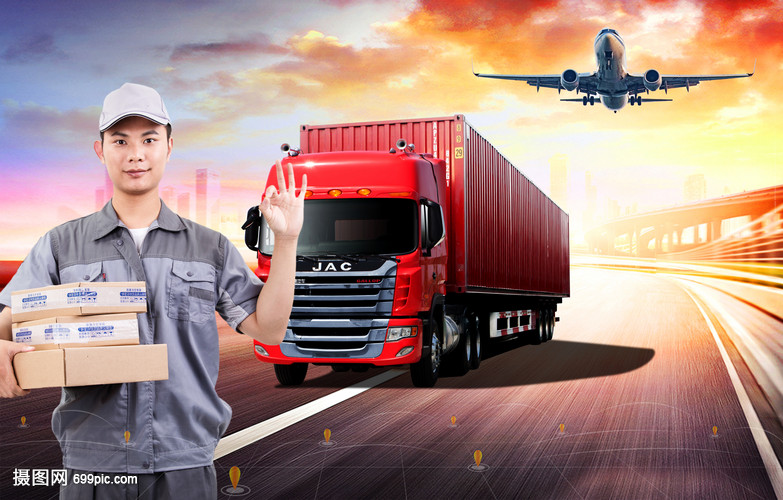 Secondly, the integration of information systems is the key to the efficient connection of multimodal transportation. Currently, there are still information barriers between different transportation modes, leading to difficulties in real-time sharing of logistics information. Establishing a unified information platform and promoting the intercommunication of information among transportation, warehousing, customs clearance, and other links helps to achieve the full-process visual management of goods, improve the accuracy and response speed of transportation scheduling. At the same time, by using technologies such as big data and artificial intelligence, transportation routes and resource allocation can be optimized to further enhance the overall efficiency of multimodal transportation.
In addition, the coordination of systems and policies cannot be ignored. Since multimodal transportation involves multiple industries and departments, it is necessary to establish a unified standard system and coordination mechanism. For example, unified container standards, transportation document formats, and operational specifications should be formulated to promote the intercommunication of tickets and unified cost settlement among different transportation modes. The government should strengthen top-level design, issue policy measures to encourage the development of multimodal transportation, such as fiscal subsidies and tax preferences, to stimulate the enthusiasm of enterprises to participate.
Finally, the integration of operating entities is the core of multimodal transportation connection. Currently, the development of multimodal transportation in our country is still in the primary stage, lacking leading enterprises with the ability to organize full-process transportation. It should be encouraged for transportation enterprises to transform into comprehensive logistics service providers, support enterprises such as railways, ports, and shipping in carrying out in-depth cooperation, forming an integrated transportation service chain, and truly realizing the service model of 'one document from start to finish, one-time consignment, and full-process responsibility'.
 In summary, the efficient connection of multimodal transportation is a systematic project, which requires coordinated development in infrastructure, information systems, policy systems, and operational modes. Only by continuously optimizing the connection mechanism and promoting the efficient allocation of transportation resources can the important role of multimodal transportation in the modern comprehensive transportation system be fully realized, and help the high-quality development of the logistics industry.
Prev:How to compile traffic planning
Next:How to Connect Production Logistics

