
One, Basic Concept of Cold Chain Storage
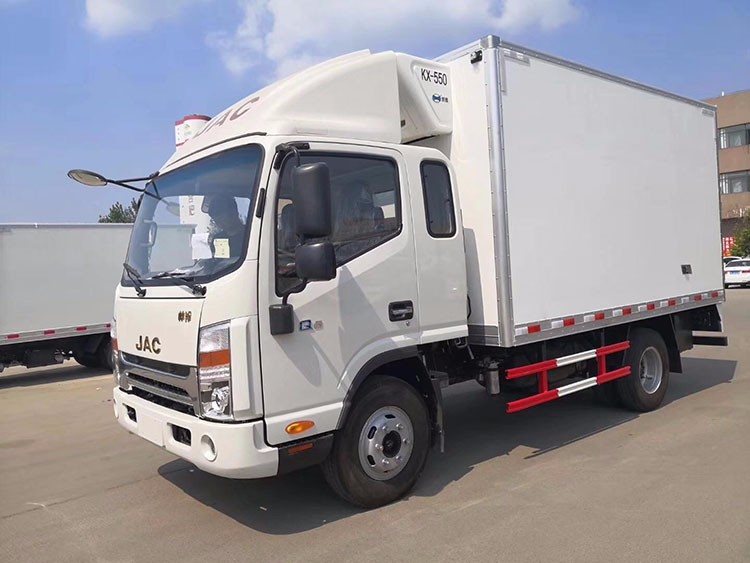 old chain storage refers to the storage and management of temperature-sensitive goods such as perishable food, biological products, and vaccines in a specific temperature environment. It ensures that products maintain the best state throughout the storage process through constant temperature control, preventing quality decline or spoilage due to temperature fluctuations.
Two, Key Measures for Cold Chain Storage Temperature Control
1. Scientific design of temperature control system
The construction of cold chain warehouses needs scientific thermal design at the beginning, and equipped with efficient refrigeration equipment. Usually, a refrigeration system using compressors is adopted, combined with air cooling or water cooling methods to maintain the constant temperature inside the warehouse. In addition, the selection of thermal insulation materials, the thickness of the insulation layer, and the sealing of doors and windows are also important factors affecting the temperature control effect.
 . Zone temperature control management
Different goods have different requirements for storage temperature, for example, fresh food usually requires 0~4℃ refrigeration, while quick-frozen food requires a freezing environment below -18℃. Therefore, cold chain storage should be managed by zones according to the type of goods, establish multiple temperature zones, and ensure that various goods are stored at appropriate temperatures.
3. Install intelligent temperature and humidity monitoring system
 odern cold chain storage commonly adopts Internet of Things technology, installs temperature and humidity sensors and remote monitoring systems, and realizes real-time monitoring and data recording of the internal environment of the warehouse. Once the temperature is abnormal, the system can automatically alarm and initiate emergency measures to ensure that problems are discovered and handled in a timely manner.
4. Standardize operation procedures and personnel management
The operation specifications of storage personnel also directly affect the effect of temperature control. For example, frequent opening and closing of the warehouse door will cause cold air loss, affecting the overall temperature stability; unreasonable stacking of goods may also affect the circulation of cold air. Therefore, standardized operation procedures should be formulated, and employees should be regularly trained to improve operational skills and awareness of responsibility.
5. Strengthen equipment maintenance and inspection
Cold storage equipment such as compressors, evaporators, and cooling towers need regular maintenance and maintenance to prevent temperature control from being out of control due to equipment failure. At the same time, establish a daily inspection system, record temperature changes, and promptly discover and resolve potential hazards.
 Three, Conclusion
A good cold chain storage temperature control system can not only effectively ensure the quality of goods but also extend their shelf life, reduce losses, and improve logistics efficiency. In the future, with the development of science and technology, intelligent temperature control and automated management will become an important development direction of cold chain storage. Enterprises should continuously optimize temperature control technology and management methods to enhance the overall level of cold chain storage and provide consumers with safer and more reliable product guarantees.
Prev:How to cover rural logistics
Next:How to control the temperature in cold chain transportation

