
Whole vehicle transportation is a common transportation method in the logistics industry, suitable for situations where a large amount of goods needs to be transported and a separate truck is required. In actual operation, how to carry out whole vehicle loading scientifically and reasonably not only relates to transportation efficiency and cost control, but also directly affects the safety of goods and the service quality of transportation enterprises. Therefore, mastering the skills of whole vehicle transportation loading has important practical significance.
Firstly, whole vehicle loading should follow the principle of 'safety first'. Before loading, it is necessary to have a detailed understanding of the basic information of the goods, including weight, volume, shape, packaging, and whether there are special requirements (such as fragile, flammable, etc.). According to the properties of the goods, the loading sequence and placement method should be reasonably arranged to ensure that the goods will not be overturned, collided, or damaged during transportation. For example, heavy goods should be placed at the bottom, light goods at the top; irregularly shaped goods should be properly secured to prevent sliding; and hazardous materials must be isolated and labeled in accordance with relevant regulations.
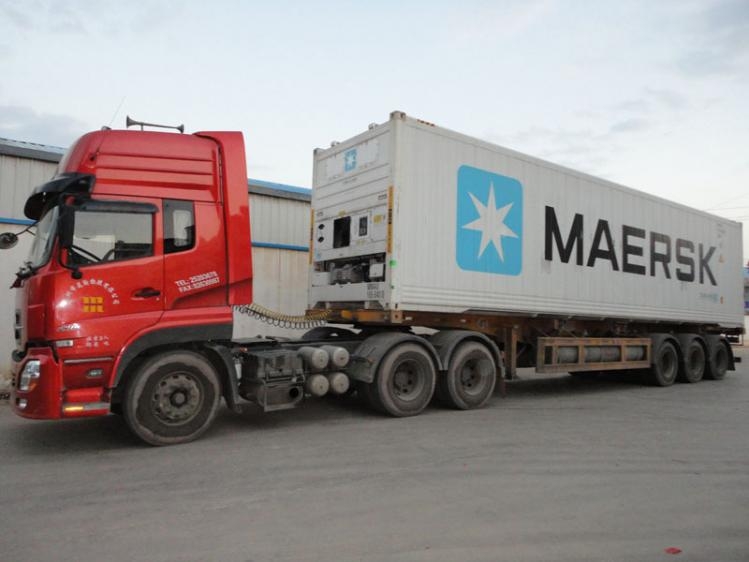 econdly, the key to improving loading efficiency is to make rational use of vehicle space. The internal space of transportation vehicles is limited, and it is necessary to ensure the safety of goods while achieving maximum loading through precise calculation and scientific planning. It can be assisted by logistics management software or a three-dimensional loading system to simulate loading of goods by size and weight, optimize space layout, reduce empty load rate, and thus reduce unit transportation costs. In addition, for goods at different destinations, unloading sequence should also be considered to avoid repeated loading and unloading, improving overall transportation efficiency.
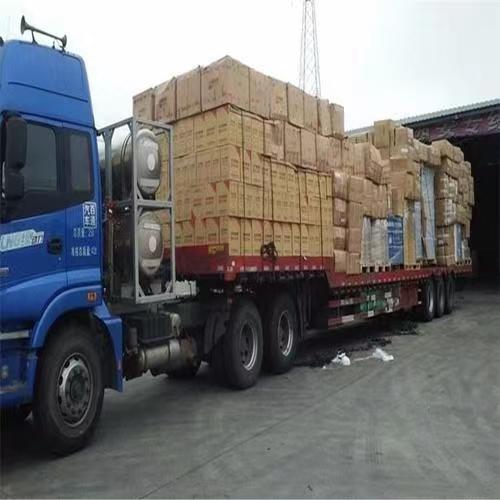 gain, whole vehicle loading also needs to consider transportation costs and timeliness. During the loading process, not only should attention be paid to whether the volume and weight of the goods match the vehicle's carrying capacity, but also a comprehensive evaluation should be made in combination with factors such as transportation routes, loading and unloading locations, and time constraints. For example, in long-distance transportation, it is appropriate to reserve maintenance and rest time to avoid overloading affecting driving safety and timeliness; in urban distribution, traffic control and unloading convenience should be considered to improve customer satisfaction.
Finally, strengthening personnel training and on-site management is also an important link in improving the quality of whole vehicle loading. Drivers and loaders should have basic knowledge of cargo classification and loading, be familiar with the operation process, and strictly follow the loading plan. At the same time, transportation enterprises should establish and improve loading management systems, carry out standardized management throughout the process from order reception to vehicle loading and dispatch, and ensure clear responsibilities and processes.
 In summary, the loading of whole vehicle transportation is a work that emphasizes both technicality and management. Only by ensuring safety and balancing efficiency and cost can the optimal configuration of logistics transportation be achieved. With the continuous development of the logistics industry, loading technology will also become increasingly intelligent and information-based, providing a more efficient and reliable guarantee for the entire transportation process.
Prev:How to Load Containers in Container Transportation
Next:How to Manage Bonded Warehousing

