
With the continuous development of international trade, bonded warehousing, as an important link connecting import and export trade and logistics, has received increasing attention in terms of management methods. Bonded warehousing refers to warehouses approved by customs for the storage of goods that have not been processed for import tax payment or export customs clearance. Its core advantage lies in delaying the payment of customs duties and import link taxes, thus effectively reducing the financial burden on enterprises and improving logistics efficiency.
I. Establishment and Supervision of Bonded Warehousing
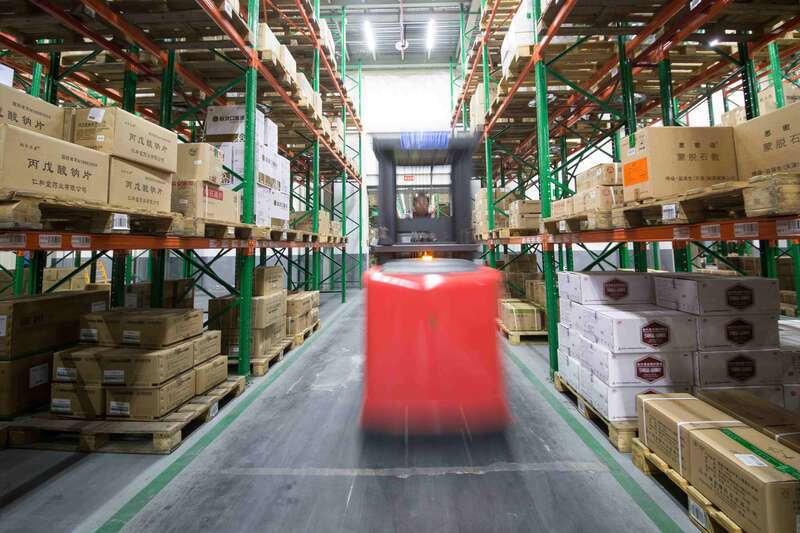 he establishment of bonded warehouses requires strict approval from customs, and the operating enterprises must have the corresponding qualifications and warehousing management capabilities. Customs implements dynamic supervision of bonded warehouses, including supervision and inspection of the entry and exit of goods, inventory checks, and accounting management. Therefore, when managing bonded warehousing, enterprises must establish and improve internal management systems and maintain good information communication with customs.
II. Information Management is the Key
Modern bonded warehousing management cannot be separated from the support of information systems. By introducing warehouse management systems (WMS), barcodes/RFID technology, and electronic port systems connected with customs data, it is possible to achieve precise control and real-time monitoring of the entire process, including inventory, allocation, and other aspects. This not only improves operational efficiency but also reduces the risks caused by human errors.
 II. Standardize the Process of Goods Entry and Exit
The entry and exit of bonded goods have strict customs supervision requirements. Before goods are stored, enterprises must declare and register with customs, specifying the source, purpose, and direction of the goods. When goods are shipped out, it is necessary to make corresponding customs declarations based on whether the goods are for final import, re-export, or domestic sales. Any oversight in the process can lead to violations, even facing penalties.
IV. Strengthen Inventory Management and Risk Control
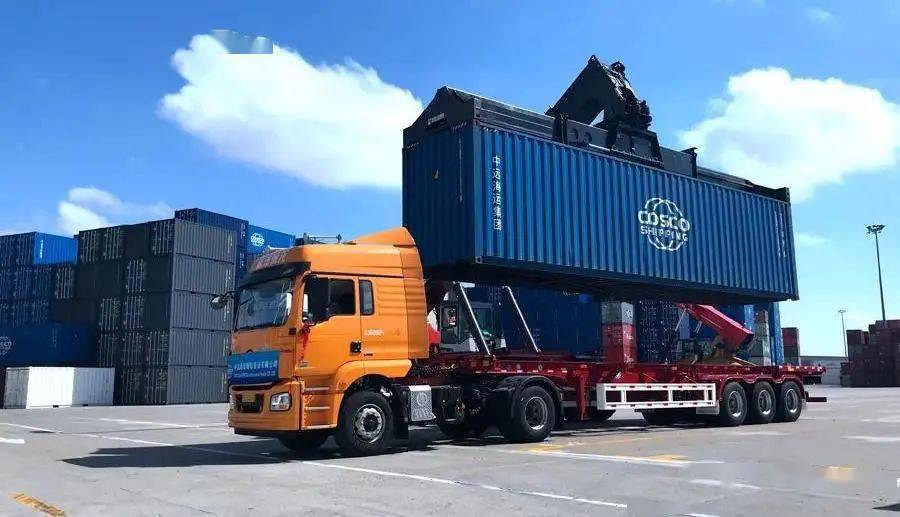 Since bonded goods are still under customs supervision before they are cleared, inventory management must ensure that the accounts and goods match and the status is clear. Regular inventory checks, classified storage, and setting up early warning mechanisms are important means to prevent risks such as inventory discrepancies and goods delays. At the same time, enterprises should formulate emergency response plans to deal with unexpected situations such as product obsolescence and changes in supervision policies.
V. Personnel Training and Compliance Awareness Enhancement
Bonded warehousing involves knowledge of laws and regulations, customs policies, logistics operations, and other aspects, therefore, higher quality requirements are placed on personnel engaged in the industry. Enterprises should regularly conduct relevant training to ensure that employees are familiar with customs supervision requirements and operational procedures, enhancing the overall team's compliance awareness and business capabilities.
In summary, the effective management of bonded warehousing is not only related to the operation efficiency and cost control of the enterprise itself, but also directly affects the order of customs supervision and the safety of national tax revenue. Only through institutionalized, information-based, and standardized management methods can the efficient operation and risk control of bonded warehousing be truly realized, providing strong support for enterprises to participate in the international supply chain.
Prev:How to load for whole vehicle transportation
Next:How to manage informatization?

