
In the modern logistics system, LTL transportation (LTL, Less Than Truckload) as a flexible and efficient transportation method is favored by more and more enterprises. LTL transportation is suitable for the situation where the quantity of goods is not enough to fill a truck, and by loading the goods of multiple consignors on the same truck, resource sharing is realized, costs are reduced, and transportation efficiency is improved.
1. What is LTL carpooling?
So-called LTL carpooling refers to the concentration of small batches of goods from different consignors with similar destinations or routes on a single freight vehicle, unified transportation to the designated location, and then sorted and distributed. This method not only improves the vehicle loading rate but also effectively reduces the logistics cost of individual consignors, which is an important means to optimize resource allocation in modern logistics.
2. Operation process of LTL carpooling
 . Order collection and integration: Logistics companies collect shipping requirements from different customers through information systems, and classify and integrate them according to the volume, weight, origin, and destination of the goods.
2. Route planning and matching: The transportation route is planned by the system or manually, and the goods of customers with the same destination or along the same route are matched and combined to ensure the shortest path and the highest loading rate.
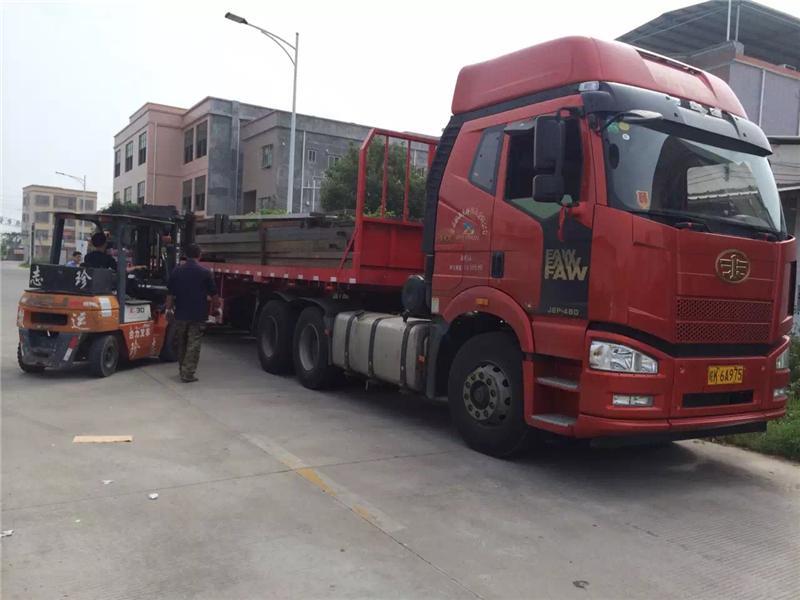
3. Loading and transportation: After reasonable loading, goods are loaded uniformly and transported by professional drivers according to the established route. The whole process can be monitored through GPS and other technologies.
4. Transshipment, distribution, and delivery: After arriving at the transfer station, goods are sorted according to the destination, and then delivered by regional distribution vehicles to complete the "last mile" delivery.
3. Advantages of LTL carpooling
1. Lower cost: Compared with整车 transportation, LTL carpooling distributes the transportation cost, and the single customer only needs to pay the fee corresponding to the space occupied by the goods.
2. High resource utilization: By effectively integrating scattered sources of goods, it improves vehicle loading rate, reduces empty running phenomenon, and conforms to the development direction of green logistics.
3. Flexible service: Suitable for small and medium batch cargo transportation, meeting the diversified logistics needs of enterprises.
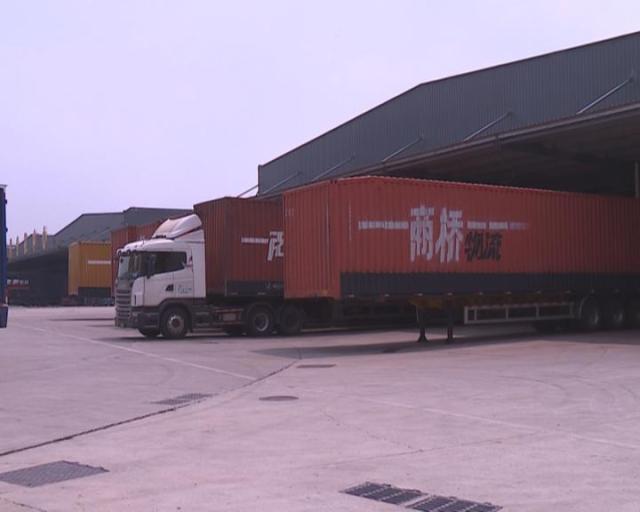
4. Wide network coverage: Mature LTL logistics companies usually have a wide distribution network, which can achieve efficient distribution throughout the country.
 . Challenges and Countermeasures
Although it has obvious advantages, LTL carpooling also faces some challenges, such as the difficulty of goods matching, the difficulty in unifying timeliness, and high sorting costs. In this regard, logistics enterprises need to strengthen information construction, utilize big data and artificial intelligence technology to optimize loading algorithms, and improve operational efficiency. At the same time, establish standardized sorting processes and service systems to enhance overall service quality.
Conclusion
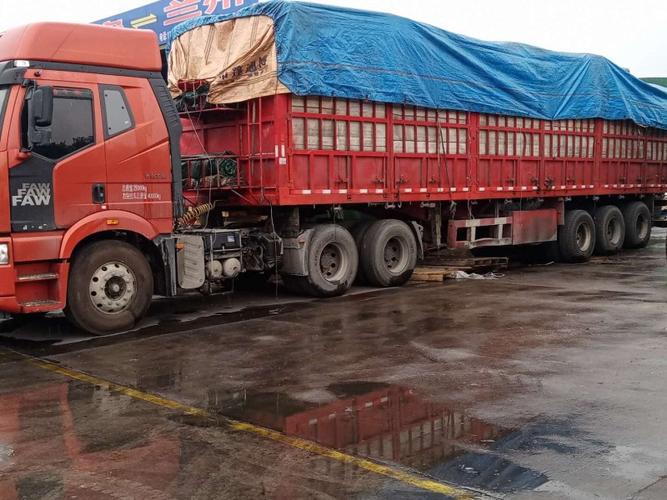 With the rapid development of e-commerce and manufacturing industries, the demand for LTL (Less Than Truckload) transportation continues to grow, and carpooling mode is becoming an important engine to promote the cost reduction and efficiency improvement of the logistics industry. In the future, with the continuous progress of technology, LTL carpooling will become more intelligent and refined, providing more efficient and economic logistics solutions for enterprises.
Prev:How to calculate inventory turnover
Next:How to carry out customs clearance in cross-border warehousing

