
With the rapid development of global e-commerce, cross-border warehousing, as an important link connecting overseas sellers with local consumers, plays an increasingly prominent role. However, in the operation of cross-border warehousing, the customs clearance process is often the key to determining logistics efficiency and cost control. This article will provide a detailed analysis of the customs clearance process, common problems, and optimization suggestions for cross-border warehousing.
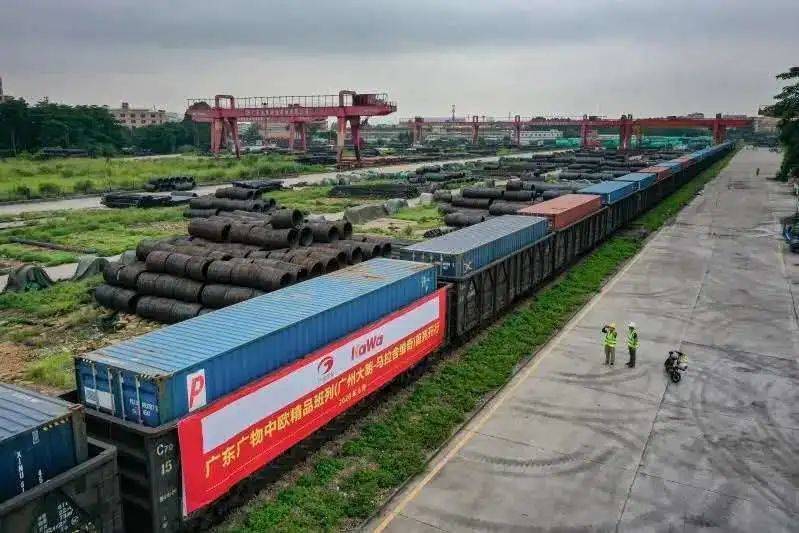 irst, the basic concept of cross-border warehousing customs clearance
Cross-border warehousing customs clearance refers to the process of completing declarations, inspections, tax payments, etc. according to local customs requirements when goods are shipped from overseas warehouses to the destination country, so that goods can legally enter the destination country market. Customs clearance involves not only customs procedures but may also involve the approval of relevant departments such as inspection and quarantine, and tax declaration.
 Second, the main process of cross-border warehousing customs clearance
1. Preparation of materials
The first step of customs clearance is to prepare complete customs declaration documents, including commercial invoices, packing lists, bills of lading, origin certificates (CO), import licenses (if required), etc. For e-commerce goods, order information and payment proof may also be required.
2. Choose customs clearance methods
According to the nature of the enterprise and the type of goods, different customs clearance modes can be chosen, such as general trade customs clearance, cross-border e-commerce B2C customs clearance (such as 9610, 1210 model), express customs clearance, etc.
 . Declaration and inspection
After the goods arrive at the port or warehouse of the destination country, a declaration must be made to the local customs and relevant documents submitted. Customs may conduct random inspections of the goods to confirm that the content, quantity and value of the goods are consistent with the declaration.
4. Tax payment
According to the type, value of the goods and local customs tariff policy, pay the corresponding import duties, value-added tax (VAT) or consumption tax. Some countries have tax exemptions for certain categories, and enterprises should make reasonable use of policies to reduce tax burdens.
5. Release and distribution
After completing all procedures and paying relevant fees, the goods will be released by customs and can then enter the local distribution process.
Third, common problems and countermeasures in customs clearance process
- Incomplete or incorrect documents: May lead to customs clearance delay. It is recommended that enterprises establish standardized document procedures and cooperate with professional customs brokerage agencies.
- High rate of goods examination: Consider applying for the Customs Authentication Enterprise (AEO) to improve customs clearance efficiency.
- High tax costs: It is necessary to fully understand the tax policies of the destination country and reasonably plan product classification and pricing strategies.
 - Unstable customs clearance timeliness: Opt for the best customs clearance service providers and establish stable logistics and customs clearance partner relationships.
Fourth, suggestions for optimizing cross-border warehousing customs clearance
1. Pre-filing and compliance review: Ensure that all necessary pre-filing and compliance reviews have been completed before the goods are shipped to avoid returns or seizures due to policy issues.
2. Use automated systems to manage customs clearance processes: Introduce WMS (Warehouse Management System) and connect with customs declaration systems to improve data accuracy and operational efficiency.
3. Train professional teams or outsource professional services: Customs clearance involves policies of multiple countries, and it is recommended that enterprises cultivate professional talents or cooperate with experienced third-party logistics companies.
4. Pay attention to policy dynamics and industry trends: Customs policies of various countries are constantly changing, and timely adjustment of customs clearance strategies is the key to maintaining competitiveness.
Conclusion
Under the background of deepening globalization and digitalization, cross-border warehousing has become an important support for enterprises to expand their overseas markets. Efficient customs clearance capabilities are the core of achieving rapid fulfillment and enhancing customer experience. Enterprises should continuously optimize customs clearance processes and improve compliance capabilities in order to stand out in the fierce international competition.
Prev:How to carpool for LTL transportation
Next:How to clear customs across borders

